
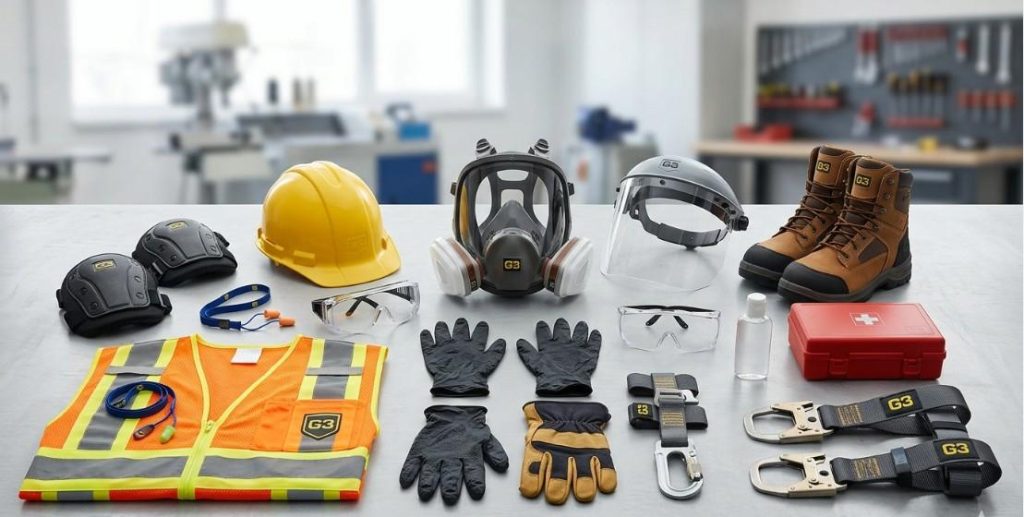
Workplace hazards are a reality across industries, from construction and manufacturing to healthcare and oil and gas. The right safety measures reduce risk, but the last line of defense is always Personal Protective Equipment. When selected and used correctly, PPE minimizes injuries, ensures compliance, and protects both workers and business operations.
This guide explains how PPE works, what types exist, and how to choose the right protection based on real-world conditions and industry standards.
What is Personal Protective Equipment (PPE)?
Personal Protective Equipment (PPE) refers to wearable safety gear designed to protect workers from physical, chemical, biological, and environmental hazards. It acts as a barrier between the worker and potential risks that cannot be eliminated through engineering or administrative controls.
In high-risk environments, PPE is not optional. It is a critical component of workplace safety programs and regulatory compliance frameworks.
Why PPE is Critical in Workplace Safety
Every workplace has unique hazards, but the consequences of ignoring them are often the same: injuries, downtime, and financial loss. Implementing the right PPE strategy ensures both legal compliance and operational continuity.
Key Benefits of PPE
- Reduces risk of injury and fatal accidents
- Ensures compliance with occupational safety standards
- Improves worker confidence and productivity
- Minimizes liability and insurance costs
Employers who invest in proper PPE not only protect workers but also strengthen their overall safety culture.
Types of Personal Protective Equipment
Different hazards require different forms of protection. Understanding PPE categories helps in selecting the right gear for specific applications.
Head Protection
Helmets and hard hats protect against falling objects and impact injuries. Industries like construction and mining rely heavily on industrial safety equipment to prevent head trauma.
Explore advanced head protection solutions designed for maximum impact resistance and long-term durability in high-risk job sites.
Eye and Face Protection
Safety goggles and face shields protect against dust, chemicals, and flying particles. Proper eye protection gear is essential in welding, laboratories, and machining operations.
Respiratory Protection
Respirators protect workers from inhaling harmful dust, fumes, and gases. Choosing the right respiratory protection equipment depends on the type of airborne hazard and exposure level.
Hand Protection
Gloves are selected based on the risk of cuts, chemicals, or heat exposure. Using proper protective gloves for workers prevents injuries and contamination.
Body Protection
Coveralls, vests, and suits protect against chemical splashes, heat, and mechanical hazards. Durable protective clothing for industries ensures full-body safety in harsh environments.
For workers handling high-risk environments like welding, chemical plants, or heavy manufacturing, choosing the right body protection gear is essential to prevent serious injuries.
Fall Protection
Harnesses and lifelines prevent injuries when working at heights. Reliable fall protection equipment is essential in construction and maintenance work.
How to Choose the Right PPE
Selecting PPE is not just about buying equipment. It requires hazard analysis, compliance awareness, and worker-specific considerations.
Conduct a Hazard Assessment
Identify workplace risks such as chemical exposure, falling objects, or airborne contaminants. This determines the type of hazard assessment PPE required.
Ensure Proper Fit and Comfort
Poorly fitted PPE reduces effectiveness and discourages use. Always prioritize ergonomics when selecting employee safety gear.
Check Compliance and Certification
Use only certified PPE that meets recognized safety standards. This ensures reliability and compliance with PPE safety regulations.
Consider Work Environment
Temperature, humidity, and exposure duration affect PPE performance. For example, heat-resistant gear is necessary in high-temperature settings.
PPE Standards and Compliance
Regulatory compliance is a key factor in PPE selection. Organizations must follow global and local standards to ensure worker safety.
Common PPE Standards
- OSHA guidelines for workplace safety
- ANSI standards for equipment performance
- ISO certifications for quality assurance
Adhering to these standards ensures that your workplace safety equipment performs as expected under real conditions.
Proper Use and Maintenance of PPE
Even the best PPE fails if not used correctly. Training and maintenance are essential for long-term effectiveness.
Training Workers
Employees must understand how to wear, adjust, and remove PPE properly. Regular training improves compliance and reduces misuse.
Inspection and Replacement
Damaged PPE should be replaced immediately. Regular inspection ensures that safety equipment for workers remains reliable.
Cleaning and Storage
Proper cleaning prevents contamination, especially in healthcare and chemical industries. Store PPE in clean, dry environments to extend its lifespan.
Employer and Worker Responsibilities in PPE Usage
Effective PPE implementation is a shared responsibility between employers and workers. Without proper coordination, even high-quality equipment fails to deliver protection.
Employer Responsibilities
Employers play a critical role in ensuring PPE effectiveness through structured safety programs.
- Hazard Assessment: Employers must evaluate work environments to identify risks and determine required PPE.
- Provision and Training: It is mandatory to provide suitable PPE and train employees on correct usage.
- Maintenance and Fit: PPE must remain clean, functional, and properly fitted to avoid introducing new hazards.
Following guidelines from organizations like the Occupational Safety and Health Administration ensures compliance and reduces workplace risks.
Worker Responsibilities
Employees are equally responsible for maintaining safety standards in daily operations.
- Proper Usage: Workers must use PPE correctly at all times, as misuse is a leading cause of injuries.
- Regular Inspection: PPE should be checked before each use for damage or contamination.
- Timely Replacement: Damaged or expired equipment must be reported and replaced immediately.
PPE Safety Guidelines and Best Practices
Beyond basic usage, following practical safety guidelines significantly improves PPE effectiveness.
- Ensure compatibility when wearing multiple PPE items, such as safety glasses with respirators
- Avoid modifying PPE, as it may reduce protection levels
- Store equipment in clean, dry conditions to prevent contamination
- Follow manufacturer instructions for cleaning and reuse
For industry-specific compliance and detailed regulations, consulting the Occupational Safety and Health Administration is strongly recommended.
Top PPE Products for Maximum Workplace Protection
Choosing the right safety equipment becomes easier when you rely on trusted industrial-grade solutions. Many professionals prefer certified global brands like 3M for respiratory and protective systems due to their proven reliability, comfort, and compliance with international safety standards.
Below are some of the most essential PPE products used across construction, oil and gas, manufacturing, and industrial maintenance environments.
Recommended Safety Products from AKH Safety
- 3M 8210 N95 Particulate Respirator: Designed for effective filtration against dust and airborne particles.
- 3M 6200 Reusable Half Face Mask Respirator: A durable and comfortable reusable respirator offering protection.
- 3M 2097 P100 Particulate Filter: High-efficiency filter designed for advanced respiratory protection.
- Welding Gloves – Leather Hand Protection: Heavy-duty gloves designed for heat resistance, grip, and protection during welding.
- Fire Fighting Suit / Protective Coverall: Specialized protective wear designed for extreme heat, flames, and emergency response environments.
AI Overview
Personal Protective Equipment (PPE) protects workers from workplace hazards like chemicals, impacts, and airborne risks, ensuring safety, compliance, and reduced injuries across all industries.
FAQs
What is Personal Protective Equipment (PPE) used for?
Personal Protective Equipment (PPE) is used to protect workers from workplace hazards like chemicals, falling objects, and airborne particles.
Why is PPE important in workplace safety?
PPE reduces the risk of injuries, illnesses, and fatalities in hazardous work environments. It ensures compliance with safety regulations and improves overall worker protection.
Who is responsible for providing PPE at work?
Employers are responsible for providing suitable PPE based on hazard assessment and ensuring proper training.
How often should PPE be replaced?
PPE should be replaced whenever it is damaged, worn out, or no longer provides effective protection.
Conclusion
Personal Protective Equipment is a fundamental part of every safe and compliant workplace, helping reduce exposure to physical, chemical, and environmental hazards. When combined with proper training, regular inspection, and correct usage, PPE significantly lowers the risk of injuries and strengthens overall safety culture across industries.
As industries continue to evolve with higher safety standards and more complex operations, the role of reliable PPE will only become more critical in protecting workers and ensuring uninterrupted productivity.
Get Expert Support for Your PPE Solutions
Abdul Kadir Hakimuddin Trading Co. LLC provides high quality Personal Protective Equipment designed for durability, comfort, and maximum workplace protection across diverse industries.
If you are looking to upgrade your workplace safety or source reliable PPE for your operations, connect with AKH Safety today for expert guidance and dependable safety solutions tailored to your needs.

