
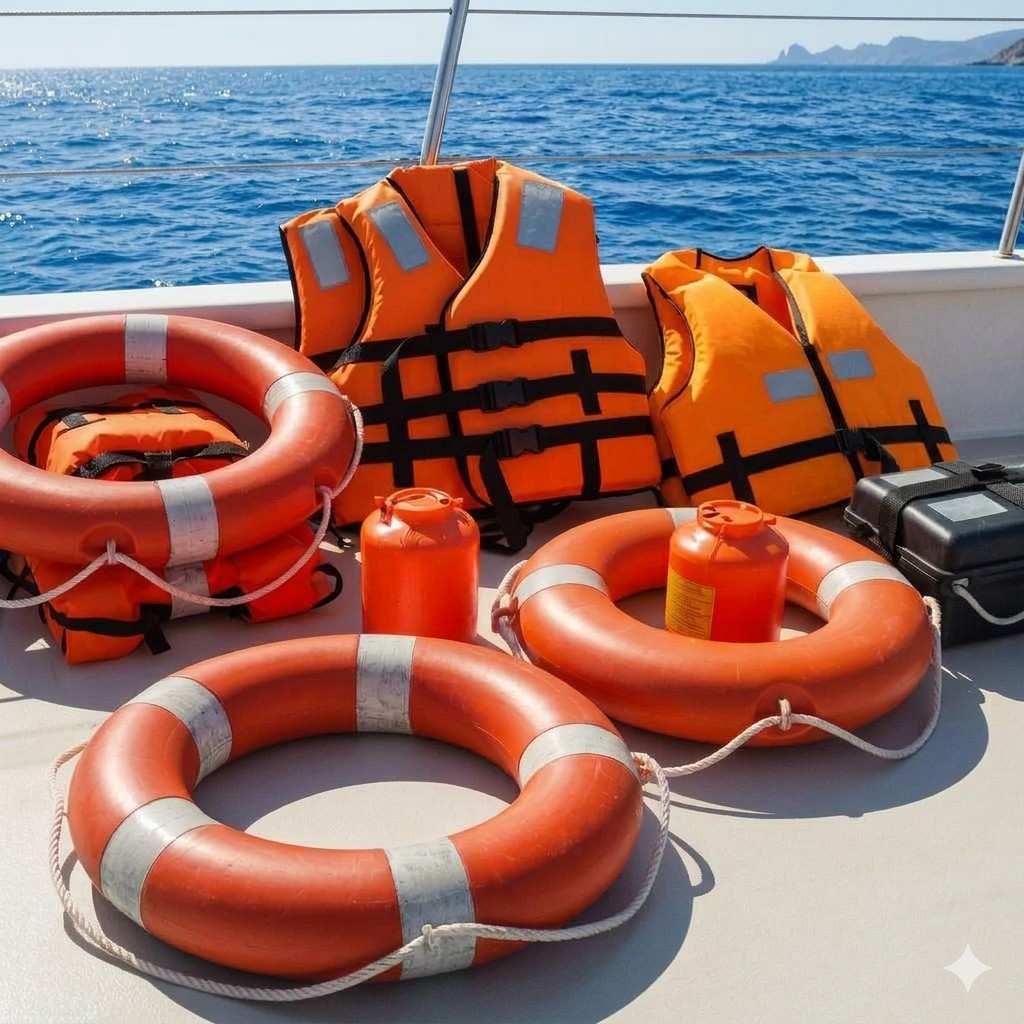
Marine safety equipment is the backbone of safe vessel operations across commercial shipping, fishing, offshore workboats, and recreational boating. Whether operating near the coastline or on international waters, every vessel must carry approved safety gear that protects passengers, crew, and cargo during emergencies.
International maritime regulations such as the International Convention for the Safety of Life at Sea (SOLAS) establish strict standards for life saving appliances, firefighting systems, distress communication devices, and emergency preparedness. Modern marine safety strategies now focus not only on compliance but also on risk reduction, faster rescue response, and operational continuity.
Why Marine Safety Equipment Matters
Accidents at sea can escalate rapidly because vessels operate in isolated and unpredictable environments. Fires, flooding, collisions, equipment failure, and man overboard incidents often leave crews with very limited response time.
According to SOLAS regulations, vessels must maintain operational life saving and firefighting systems at all times. Failure to comply can lead to vessel detention, insurance complications, financial penalties, and increased risk of casualties.
Marine safety equipment provides three critical layers of protection:
- Prevention of accidents
- Emergency response and survival
- Communication with rescue authorities
Life Jackets and Personal Flotation Devices
The Most Important Safety Item on Board
Life jackets, also called Personal Flotation Devices (PFDs), are mandatory on virtually every vessel worldwide. SOLAS guidelines require at least one approved life jacket per person onboard, along with additional reserve units on many commercial vessels.
Key Features of Marine Grade Life Jackets
Essential characteristics include:
- High buoyancy performance
- Reflective tape for visibility
- Attached whistle and emergency light
- Waterproof construction
- Quick fastening systems
Commercial offshore vessels often use SOLAS approved Type I life jackets UAE designed to keep unconscious individuals face up in rough waters.
Expert Insight
Marine safety experts emphasize that accessibility matters as much as quality. A certified life jacket stored in a locked compartment during an emergency provides little value. Regular crew drills significantly improve survival outcomes during abandon ship situations.
Liferafts and Lifeboats
Critical Survival Systems
Liferafts and lifeboats are designed to sustain life after vessel abandonment. SOLAS regulations require commercial vessels to carry survival craft with enough capacity for everyone onboard.
Liferaft Essentials
Modern inflatable liferafts include:
- Emergency food and water supplies
- Thermal protection equipment
- Signal flares
- First aid kits
- Survival manuals
- Portable communication tools
Hydrostatic release units automatically deploy liferafts if a vessel sinks rapidly.
Case Breakdown
During several maritime incidents investigated by international authorities, properly maintained liferafts dramatically increased rescue survival rates. Delayed deployment or expired servicing certifications were frequently identified as contributing factors in fatalities.
Firefighting Equipment
Fire Is One of the Greatest Maritime Threats
Engine rooms, fuel systems, electrical circuits, and galley operations create constant fire risks onboard vessels. Marine fires spread quickly because of confined spaces and combustible materials.
Essential firefighting equipment includes:
- Portable fire extinguishers
- Fixed suppression systems
- Fire hoses and hydrants
- Smoke detectors
- Heat alarms
- Emergency breathing apparatus
SOLAS Chapter II-2 establishes comprehensive fire protection standards for ships.
Types of Marine Fire Extinguishers
Different fire classes require different extinguishing agents:
| Fire Type | Recommended Extinguisher |
| Electrical fires | CO2 extinguisher |
| Fuel fires | Foam extinguisher |
| General combustible materials | Dry chemical extinguisher |
Maintenance Requirements
Industry inspections often reveal expired extinguishers or faulty fire detection systems. Maritime safety audits require regular testing, servicing, and documentation.
Emergency Position Indicating Radio Beacon (EPIRB)
A Lifeline During Distress Situations
An EPIRB is one of the most critical emergency communication devices onboard. When activated, it transmits distress signals and vessel location data to international rescue coordination centers.
SOLAS vessels are required to carry registered 406 MHz EPIRBs.
How EPIRBs Improve Rescue Operations
EPIRBs provide:
- GPS based location tracking
- Satellite distress communication
- Faster search and rescue deployment
- Increased rescue accuracy in remote waters
Data Insight
Modern EPIRB systems significantly reduce rescue response time compared to traditional distress methods. Search and rescue agencies rely heavily on beacon location data to coordinate maritime emergencies efficiently.
Distress Signals and Communication Devices
Emergency Communication Saves Lives
When radio contact fails or visibility is poor, distress signaling devices help rescuers identify vessel location.
Essential signaling equipment includes:
- Hand flares
- Parachute rocket flares
- Smoke signals
- Signal mirrors
- Air horns and whistles
- Marine VHF radios
SOLAS regulations specify quantities and servicing intervals for pyrotechnic distress signals. In addition to emergency communication systems, vessels should also carry highly visible lifebuoy ring equipment to support fast man overboard response and improve rescue efficiency during critical marine emergencies.
Communication Redundancy
Modern vessels increasingly use multiple communication layers including:
- VHF radio
- AIS systems
- Satellite phones
- SART devices
- GMDSS equipment
Redundant communication systems improve reliability during severe emergencies.
Bilge Pumps and Flood Control Equipment
Preventing Vessel Sinking
Flooding remains one of the leading causes of vessel emergencies. Bilge pumps remove accumulated water from lower compartments and help maintain vessel stability.
Most vessels require:
- Manual bilge pumps
- Electric bilge pumps
- Backup pumping systems
- Flood alarms
Proper bilge system maintenance is essential because pump failure during heavy weather can quickly lead to loss of buoyancy.
Real World Example
Several accident investigations involving fishing vessels identified clogged bilge systems as a primary factor in vessel sinking incidents. Routine inspection and debris removal are now standard preventive measures across many fleets.
Navigation and Visibility Equipment
Avoiding Collisions at Sea
Navigation safety equipment helps vessels maintain awareness in low visibility, congested waters, and harsh weather conditions.
Key navigation equipment includes:
- Marine GPS systems
- Radar
- Compass systems
- AIS tracking
- Navigation lights
- Depth sounders
Navigation lights are legally required for night operations and poor weather visibility.
Expert Perspective
Marine navigation experts stress that technology should supplement, not replace, crew awareness and training. Human error remains one of the most common contributors to marine accidents.
First Aid and Medical Equipment
Medical Preparedness Offshore
Medical emergencies at sea are challenging because professional assistance may be hours away.
Every vessel should carry:
- Comprehensive first aid kits
- Burn treatment supplies
- CPR equipment
- Emergency medications
- Stretchers for larger vessels
Offshore and commercial vessels may also include Automated External Defibrillators (AEDs) and telemedicine communication systems.
Safety Training and Equipment Maintenance
Equipment Alone Is Not Enough
Even advanced marine safety systems become ineffective without proper crew training and maintenance.
Routine safety procedures should include:
- Fire drills
- Man overboard drills
- Abandon ship exercises
- Equipment inspections
- Battery and expiry date checks
SOLAS inspection standards require periodic testing schedules for life saving and firefighting systems.
Common Compliance Failures
Marine inspections frequently identify:
- Expired flares
- Damaged life jackets
- Inoperative alarms
- Unserviced liferafts
- Dead EPIRB batteries
These failures can result in detention during port state inspections. Companies operating offshore vessels and commercial fleets should invest in reliable marine safety equipment suppliers In UAE to ensure compliance with SOLAS standards and maintain high levels of onboard operational safety.
Recommended Marine Safety Products for Enhanced Vessel Protection
- Lifebelt 150N 70993/70994: Comfortable inflatable flotation support ideal for rough weather.
- Sigma Inflatable Lifejacket 170N: Lightweight inflatable lifejacket engineered for high visibility.
- Encapsulated Lifebuoy Rescue Line 30m: Fast deployment rescue line designed for efficient emergency recovery.
- Immersion Suit Insulated Neptune: Advanced thermal protection suit built for extreme marine environments.
- LALIZAS Lifebuoy Light M.O.B. SOLAS/MED, USCG: High visibility lifebuoy lighting solution designed to improve nighttime rescue response efficiency.
Conclusion
Marine safety equipment is essential for protecting crew members, passengers, and vessels during emergencies at sea. From life jackets and firefighting systems to EPIRBs and distress signals, every safety component plays a critical role in improving emergency response and ensuring compliance with international maritime regulations.
Regular maintenance, proper crew training, and reliable safety systems help reduce risks and support safer marine operations in challenging environments.
Get Expert Support for Marine Safety Solutions
Abdul Kadir Hakimuddin Trading Co. LLC supplies dependable marine safety equipment designed to support safe vessel operations and compliance with international marine safety standards.
connect with AKH Safety today for reliable marine safety solutions tailored to your operational needs.

