
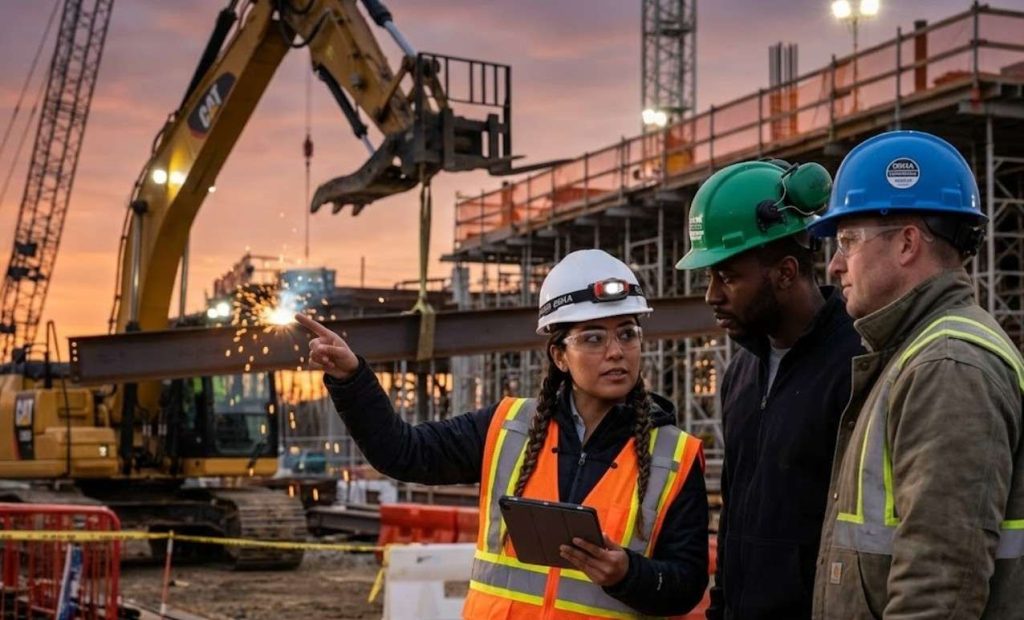
Choosing the right safety helmet is important for protecting workers in industries such as construction, manufacturing, oil & gas, mining, and firefighting. A good helmet helps reduce the risk of serious head injuries caused by falling objects, electrical hazards, slips, and workplace accidents.
Today’s industrial environments require head protection that is durable, comfortable, and compliant with international safety standards. Whether you are looking for trusted safety helmet suppliers reliable industrial head protection solutions, selecting the right helmet plays a major role in improving workplace safety and productivity.
The Importance of Safety Helmets in the Workplace
Safety helmets are designed to protect workers from:
- Falling tools and debris
- Head injuries from impact
- Electrical hazards
- Heat and fire exposure
- Slips and falls while working at height
In industries like construction, mining, manufacturing, and oil & gas, wearing the right helmet can prevent serious injuries and improve overall workplace safety. Many companies prefer working with a trusted Safety Products Supplier to ensure they are using certified and industry-approved equipment.
Different Types of Safety Helmets
Different work environments require different types of helmets depending on the level of risk and the nature of the job.
Hard Hats
Hard hats are widely used in construction sites, factories, warehouses, and infrastructure projects. A professional Hard Hat Supplier can help businesses choose helmets suitable for heavy-duty industrial use and impact protection.
Most hard hats are made from:
- HDPE (High-Density Polyethylene)
- ABS Plastic
- Fiberglass
These materials provide durability while keeping the helmet lightweight and comfortable for long working hours.
Bump Caps
Bump caps are used in low-risk work environments such as warehouses or maintenance areas. They protect workers from minor bumps and scrapes but are not suitable for heavy industrial hazards.
Fire Helmets
A certified Fire Helmet is specially designed for firefighters and emergency response teams. These helmets are built to withstand:
- High temperatures
- Flames
- Falling debris
- Heavy impact situations
Workers involved in firefighting operations also require complete Fire Fighting PPE and reliable fire safety equipment for full protection during emergencies.
Electrical Safety Helmets
Electrical safety helmets are manufactured using non-conductive materials to reduce the risk of electric shock. Many industrial companies prefer using premium MSA Safety Helmet products because of their durability, comfort, and compliance with safety standards.
These helmets are commonly used in:
- Electrical maintenance
- Utility operations
- Oil & gas industries
- Industrial engineering projects
Industry-Specific Safety Helmet Requirements
Each industry has different workplace hazards, which means helmet requirements can vary.
Construction Industry
Construction workers face risks from falling materials, overhead hazards, and moving equipment. Helmets used on construction sites should meet ANSI and EN safety standards.
Oil and Gas Industry
Oil & gas workplaces often involve fire hazards, chemicals, and high temperatures. Workers in these environments need flame-resistant helmets and certified protective gear.
Manufacturing Industry
Manufacturing facilities require helmets that can resist impacts, machinery-related risks, and exposure to industrial chemicals.
Mining Industry
Mining operations involve underground hazards, falling rocks, and low-visibility conditions. Mining helmets are usually designed with extra durability and compatibility for mounted lights.
Electrical Utilities
Electrical workers need insulated helmets that provide protection against high-voltage electrical hazards.
Factors to Consider When Choosing a Safety Helmet
1. Impact Resistance
The main purpose of a safety helmet is protection from impact. Always choose helmets that are tested and certified for industrial use.
2. Comfort and Fit
Comfort matters because workers are more likely to wear helmets properly when they fit well.
Look for features such as:
- Adjustable suspension systems
- Chin straps
- Sweatbands
- Lightweight designs
- Ventilation systems
A properly fitted helmet improves both safety and worker comfort.
3. Durability
Industrial helmets should be able to handle:
- Extreme temperatures
- Heavy impacts
- Chemical exposure
- Daily industrial wear and tear
Working with an experienced safety equipment company helps ensure you get high-quality and certified products.
4. Visibility
High-visibility helmets improve worker safety in low-light areas and busy industrial zones such as roadwork and construction sites.
5. Compatibility with PPE
Modern helmets should work smoothly with other PPE items, including:
- Face shields
- Respirators
- Hearing protection
- Safety goggles
This becomes especially important when using complete PPE Safety Equipment systems in hazardous workplaces.
Proper Fit and Adjustment of Safety Helmets
A properly fitted helmet provides better protection and comfort during long working hours.
Helmet Sizing
Always measure head size carefully and follow the manufacturer’s sizing guide.
Suspension Adjustment
The helmet should sit level on the head without being too loose or too tight.
Chin Strap Security
Chin straps help keep the helmet secure during climbing, movement, or sudden impact situations. An improperly fitted helmet may reduce protection and increase workplace risks.
Safety Helmet Maintenance and Care Tips
Regular maintenance helps extend the life of a safety helmet and ensures continuous protection.
Regular Inspection
Inspect helmets regularly for:
- Cracks
- Dents
- Fading
- Damaged suspension systems
Cleaning
Clean helmets using mild soap and water only. Strong chemicals may damage the helmet material.
Storage
Store helmets away from:
- Direct sunlight
- Heat
- Chemicals
- Moisture
Replacement
Most manufacturers recommend replacing helmets every 2 to 5 years depending on workplace conditions and usage.
Common Mistakes to Avoid
Many workplaces make mistakes such as:
- Choosing helmets based only on price
- Using expired helmets
- Ignoring workplace hazards
- Reusing damaged helmets after impact
- Purchasing non-certified products
Verdict
Working with an experienced Protective Equipment Supplier helps businesses avoid these issues and maintain proper safety standards.
For companies looking for dependable workplace safety solutions, Abdul Kadir Hakiumuddin Trading CO LLC provides certified industrial PPE and head protection products for construction, manufacturing, oil & gas, utilities, and firefighting industries.
As an experienced Safety Equipment Supplier and PPE Supplier, the company offers reliable industrial safety products, including premium MSA Safety Helmet solutions, fire fighting PPE, Fire Safety Equipment, and other workplace protection essentials designed to support safer industrial operations.

